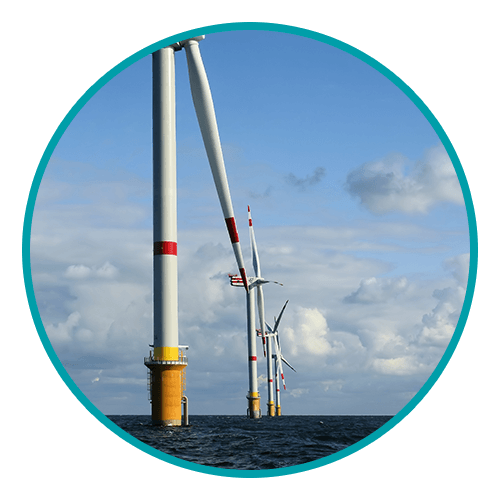
Deck-launched robotic crawler for in-service hull inspection above and below the waterline.
Hull inspection without taking vessels out of service
We deliver in-service hull inspections and condition surveys using our ORCA robotic crawler, providing accurate assessment above and below the waterline.
Powered by our proprietary Acoustic Resonance Technology (ART), we deliver high-resolution corrosion mapping and sub-millimetre wall thickness measurements through coatings, supporting detailed corrosion mapping and condition assessment.
- In-service inspection – no dry docking required
- Reduced cost and downtime – avoid dry dock fees and delays
- Improved maintenance planning – reliable inspection data
- No divers or ROVs required – improved safety
- Above & below waterline – full coverage in one deployment
- Sub-millimetre accuracy – using ART
- Deck-launched – no additional vessels required
When in-service hull inspection is the right approach
- When dry docking costs or downtime must be reduced
- When inspection is required while vessels remain operational
- When visual inspection is insufficient and quantitative data is needed
- When inspections are driven by class or regulatory requirements
- When proactive maintenance planning is required
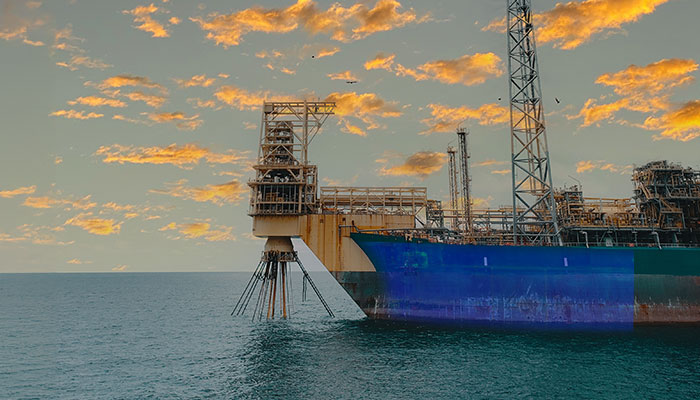
- Suitable for a range of vessel types, including naval vessels, coast guard fleets, and FPSOs

Advanced hull survey capability and applications
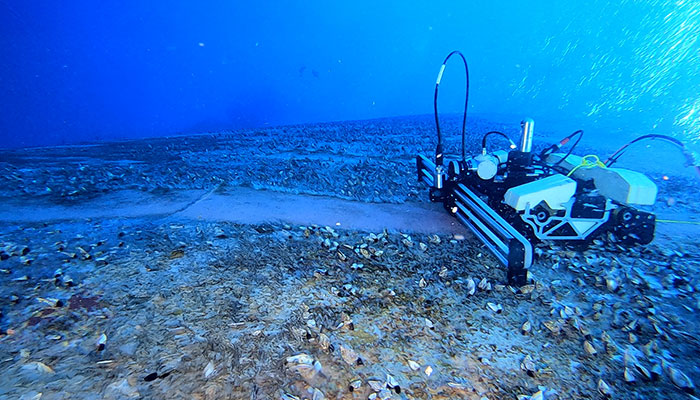
TSC Subsea delivers in-service hull corrosion mapping and weld inspection using our ORCA robotic crawler, combining robotic engineering expertise with experienced Non-Destructive Testing (NDT) technicians. Deployed directly from the deck, ORCA operates above and below the waterline while vessels remain in service, providing real-time inspection data.
Powered by our proprietary ART, this enables accurate measurements through typical marine coatings and antifouling layers without the need for coating removal.
The service enables early detection of structural issues, supporting proactive maintenance planning while reducing downtime and dry docking requirements.
Why Choose Acoustic Resonance Technology (ART)
- ART and Phased Array both use ultrasound technology, but ART operates at lower frequencies and offers a wider bandwidth, enabling it to penetrate coatings that Phased Array cannot.
- ART is a non-contact method that is more tolerable to surface conditions and marine growth.
- Capable of obtaining WT data through highly attenuative and antifouling coatings to an accuracy of +/- 0.22mm.
- Corrosion mapping of external and internal surfaces.
- Detect coating disbondment & degradation.
- Geometry measurements for assessing dents, gouging and other anomalies.
Lloyds Validation of ART
Scope of Validation: Application of Acoustic Resonance Technology (ART) to perform quantitative Ultrasonic Thickness Measurement (UTM) for both internal and external corrosion defects of ship hull carbon steel plate through coating.
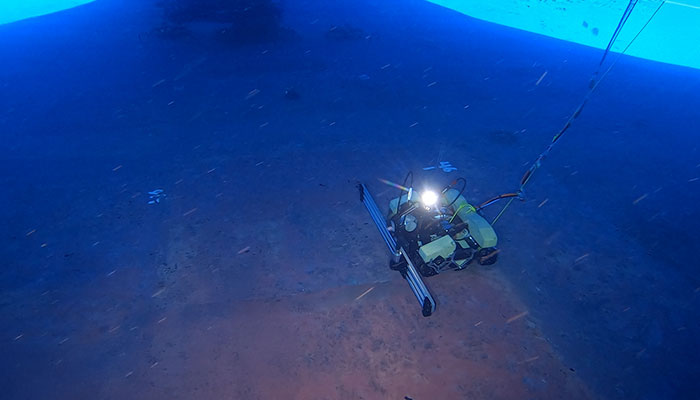
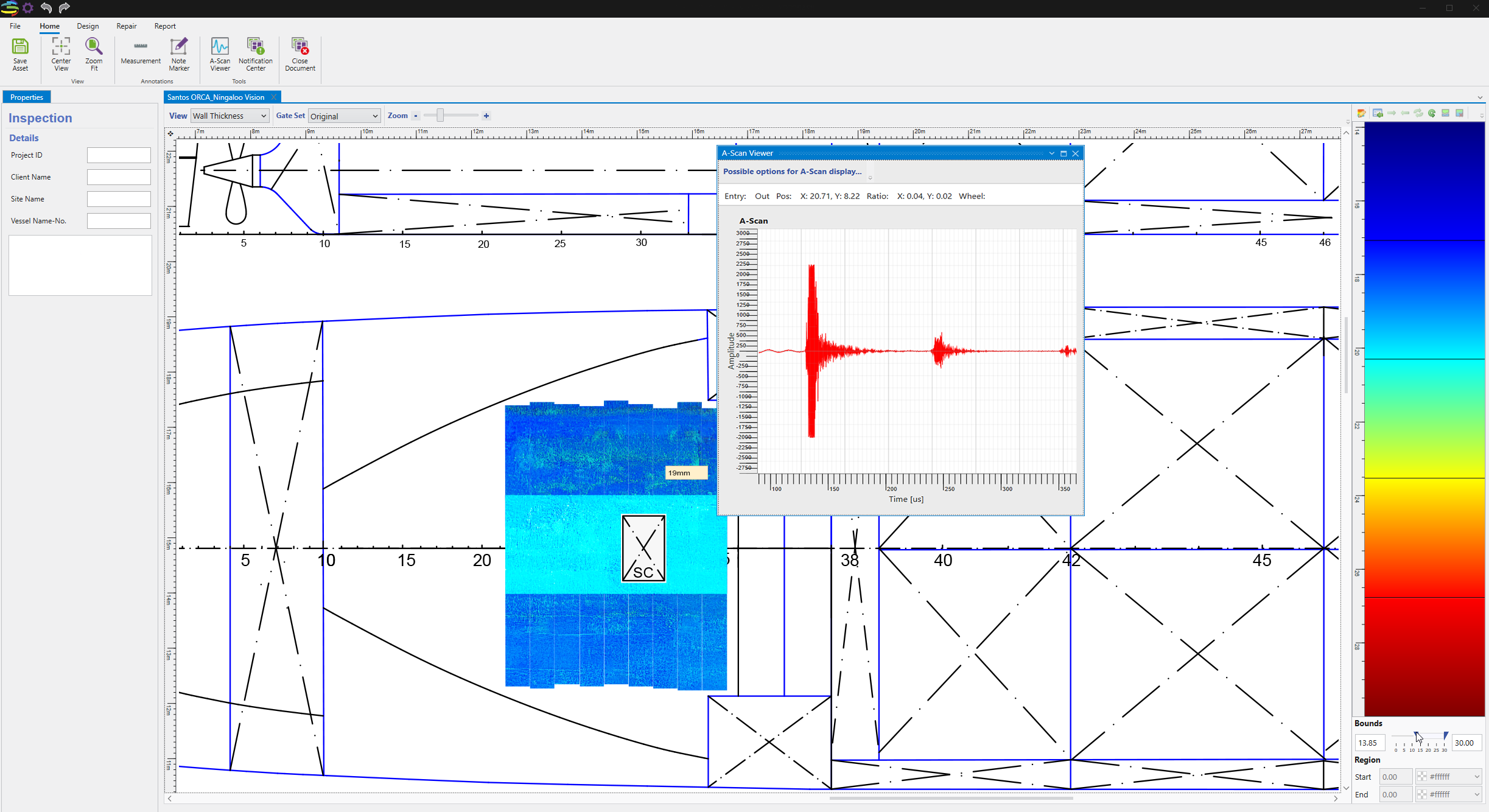
Sample ART Data
Targeted Corrosion Mapping: ART can detect and map corrosion on both external and internal surfaces of hull structures, providing a complete picture of asset integrity without the need to remove protective coatings.
Key Benefits to ORCA and Robotic Hull Inspections
- Real-Time Data Analysis: Provides immediate insights into the structural integrity, leading to informed decision-making.
- Programmable Scan Patterns: along both X and Y axes, operating above and below the waterline.
- Variable Resolution: Fast screening or high-resolution data in a single deployment.
- “Big Data”: capturing up to 1 million thickness readings per square metre.
- Supports UWILD programmes – enables Underwater Inspection in Lieu of Dry Docking (UWILD) with reliable, class-aligned inspection data.
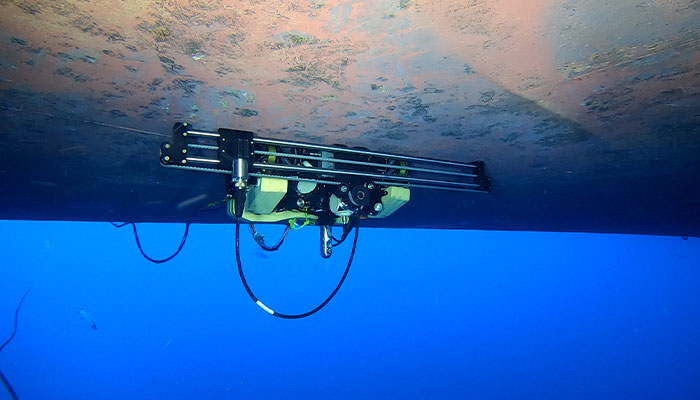
ORCA System Features
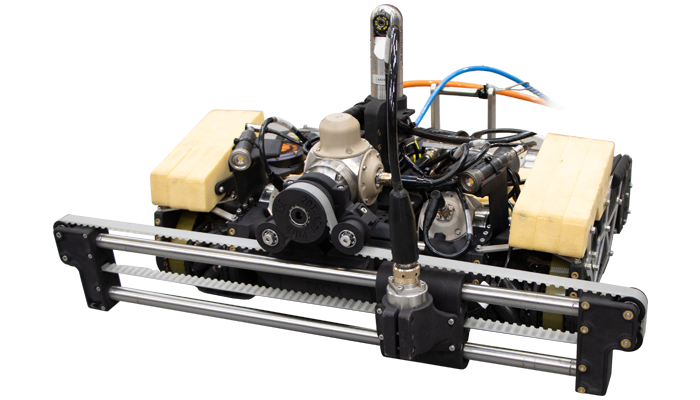
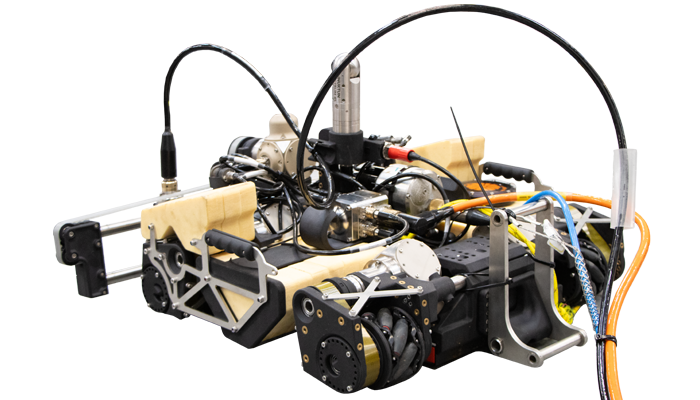
- Semi-Autonomous Operation: Programmable scan patterns enable efficient large-area inspections.
- Magnetically Adheres: Four independently driven, potted magnetic wheels for secure attachment.
- Omnidirectional Movement: Mecanum wheels allow seamless multi-directional navigation.
- Coating-Friendly Wheels: prevent damage to the inspection surface.
- Additional Motors: allow for probe head and sensor array manipulation, adapting to specific applications.
- Customisable Resolution: Adjustable settings to meet specific client requirements.
- High-Resolution Imaging: Multiple cameras for navigation and close visual inspection (CVI).
- Wide Scan Coverage: 1200 mm (47 in) scan width, customisable upon request.
- Modular System: Easily expandable with additional components for varied inspection needs.
NDT Technology Options
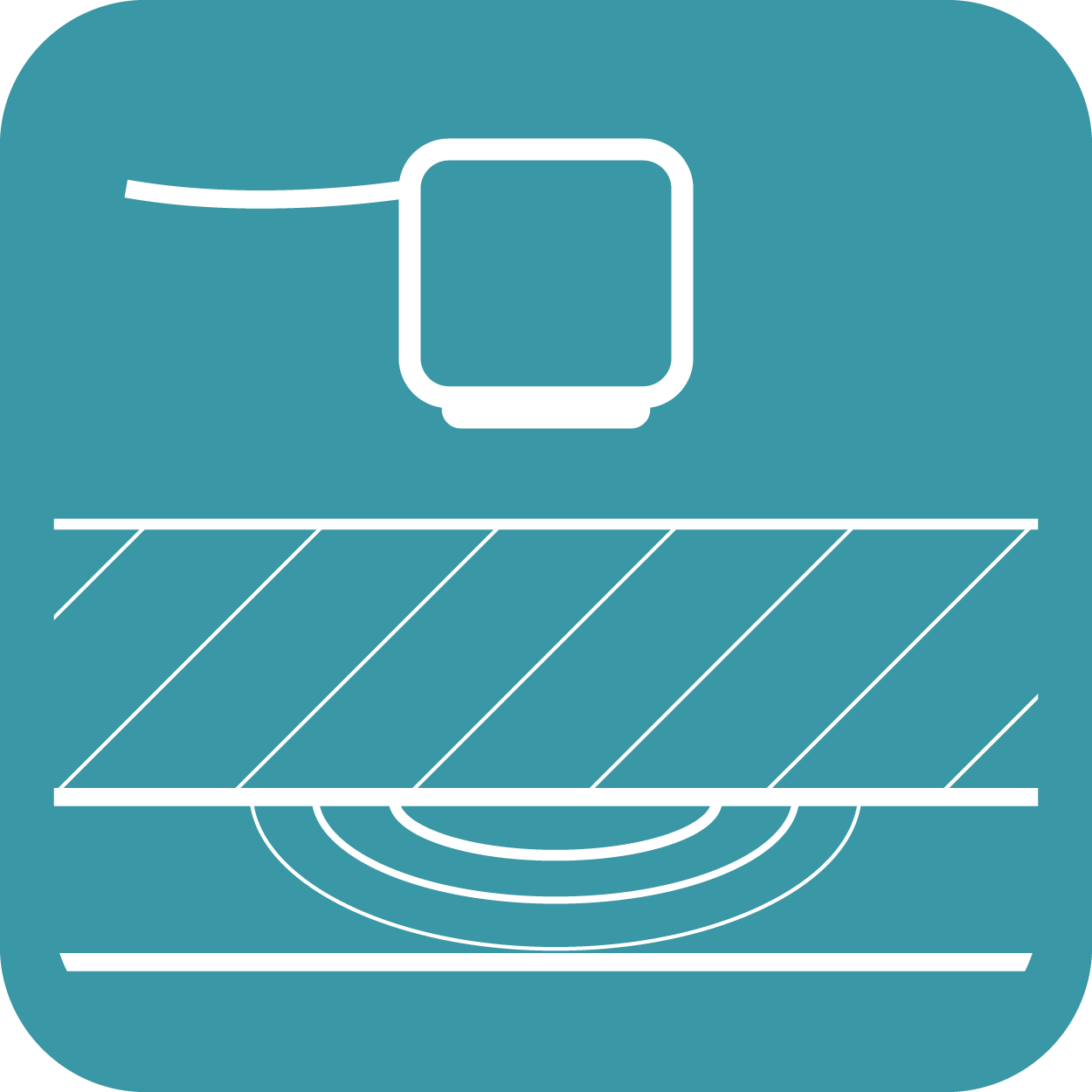
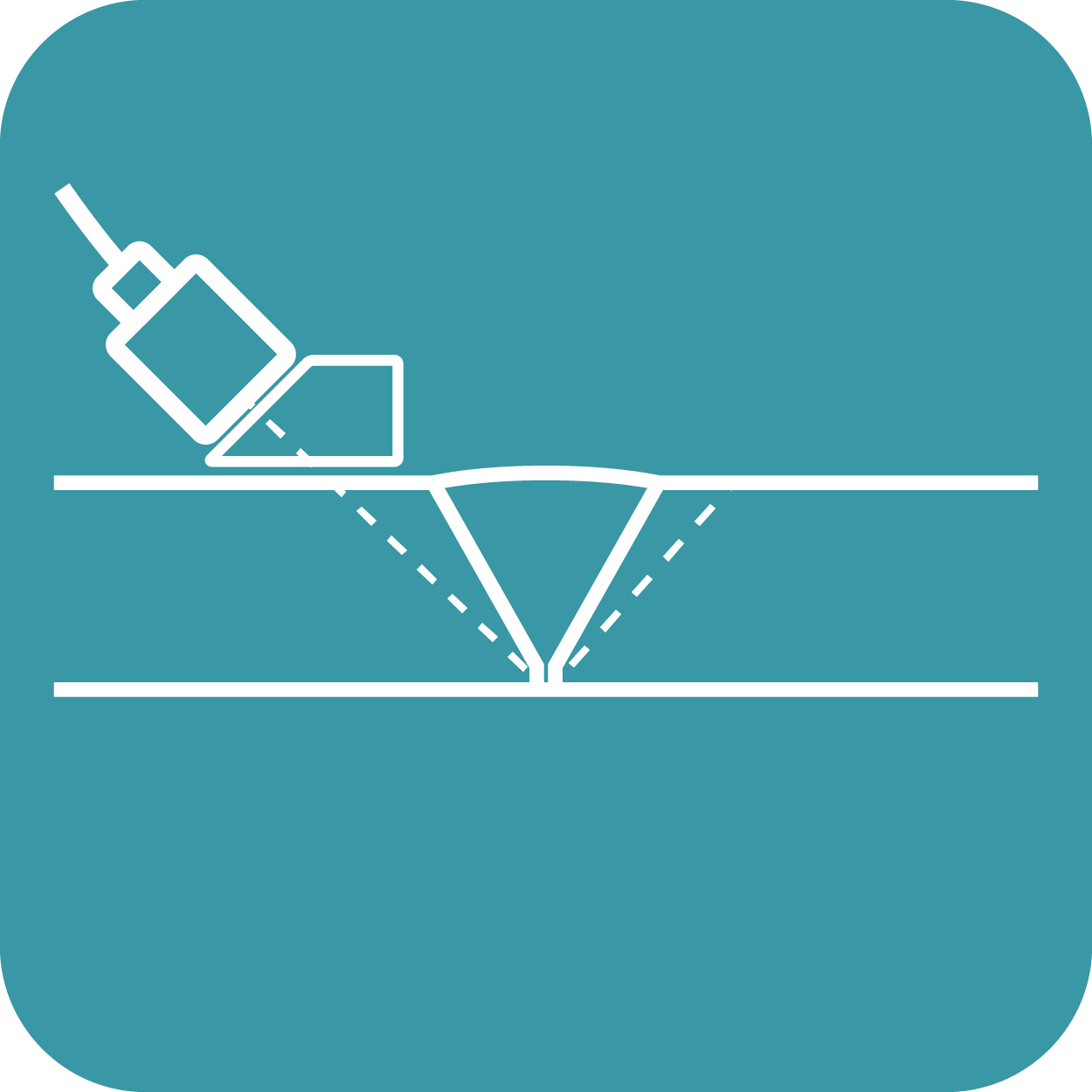
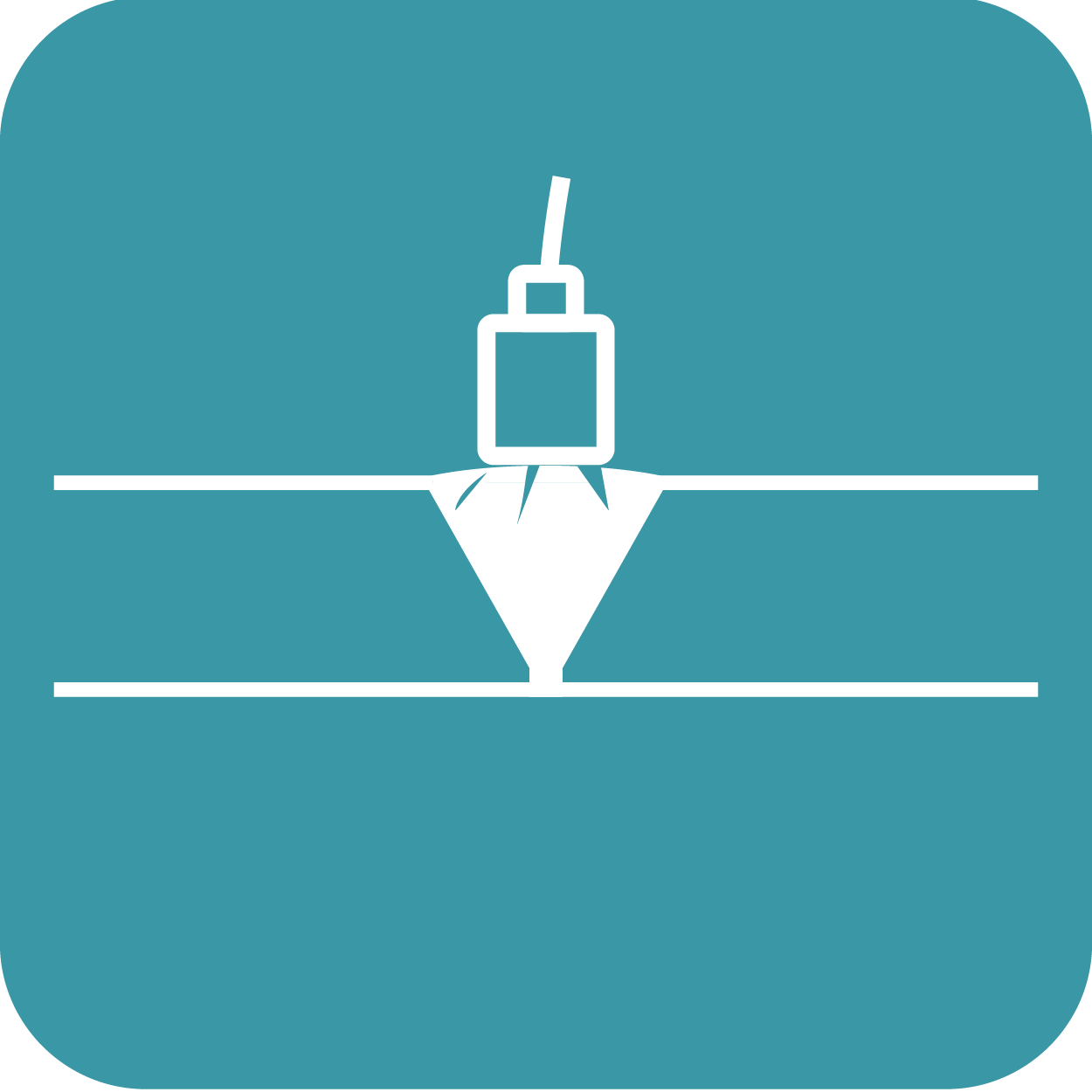
Get in touch
Downloads
Case Studies
Transforming FPSO Hull Inspections: A Cost-Effective, In-Service Solution
A major offshore operator approached TSC Subsea to provide an efficient and cost-effective solution for in-water hull inspections. The objective was to collect wall thickness measurements below the waterline to generate a corrosion map for the hull of an FPSO.
4” of Coating no Match for ART and ARTEMIS
The purpose of the inspection was to measure effective steel thickness through 4 inches of pipeline insulations made of Glass syntactic polypropylene and injection moulded polypropylene. Scanning operations were carried out at 2000 meters water depth.
Subsea Pipelines Dent Mapping and Ovality Assessment
TSC Subsea received a request to conduct a wall thickness measurement inspection and ovality/dent assessments on a 16-inch (406 mm) subsea gas pipeline, accompanied by a 2-inch (50 mm) piggyback pipeline.
See all case studies
Videos
Our Services
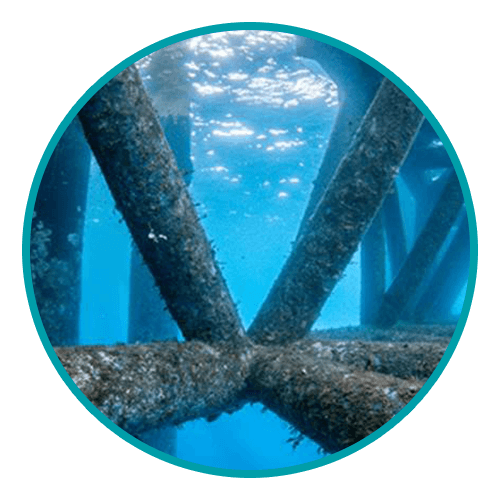
Subsea Structures
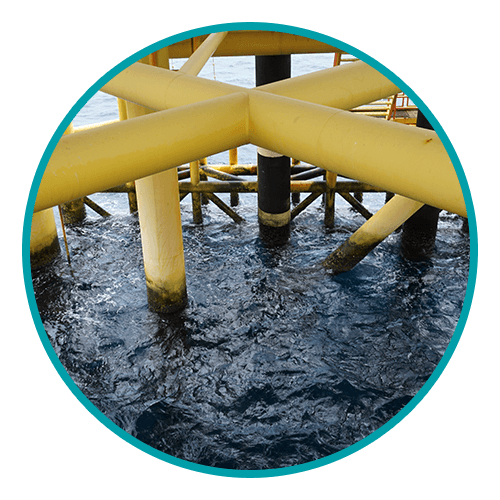
Splash Zone
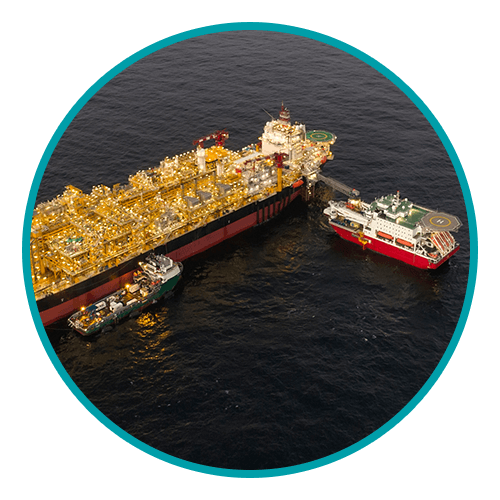
Vessels and FPSOs
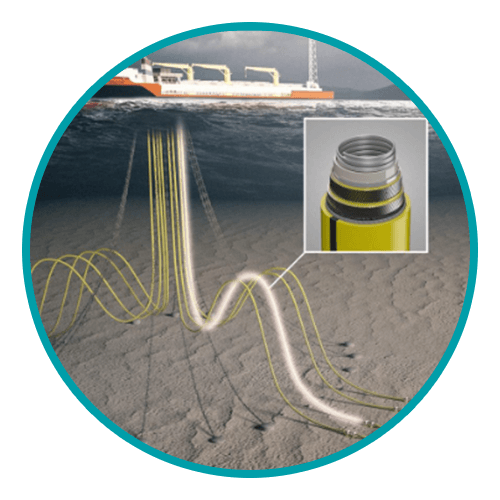
Flexible Risers
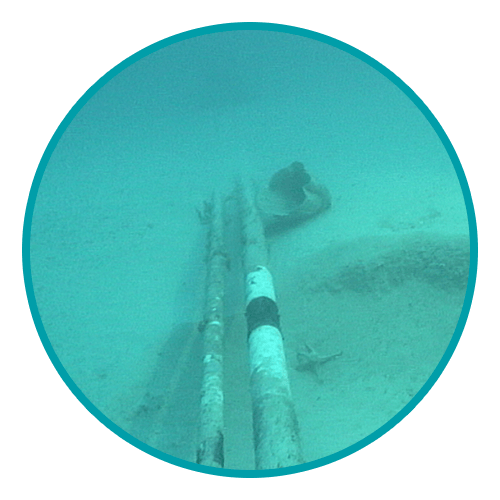
Pipelines